
Maytag help documentation is specific about installation. Its top-load washer guidance names a drain hose depth of 4.5 inches, its dryer airflow code points at duct length and elbow count, and its dishwasher drain code asks whether a disposer knockout plug was ever removed. Several Maytag codes, in other words, can describe the setup around the machine rather than a broken part inside it.
Plug Fix Repair handles Maytag laundry pairs, dishwashers and refrigerators in Katy, Richmond, Fulshear, Sugar Land and Rosenberg, TX. Maytag belongs to the same corporate group covered on our Whirlpool repair page; this page stays on Maytag models and the codes Maytag itself publishes. Book on (832) 598-8646.
Serving Katy, Richmond, Fulshear, Sugar Land & Rosenberg
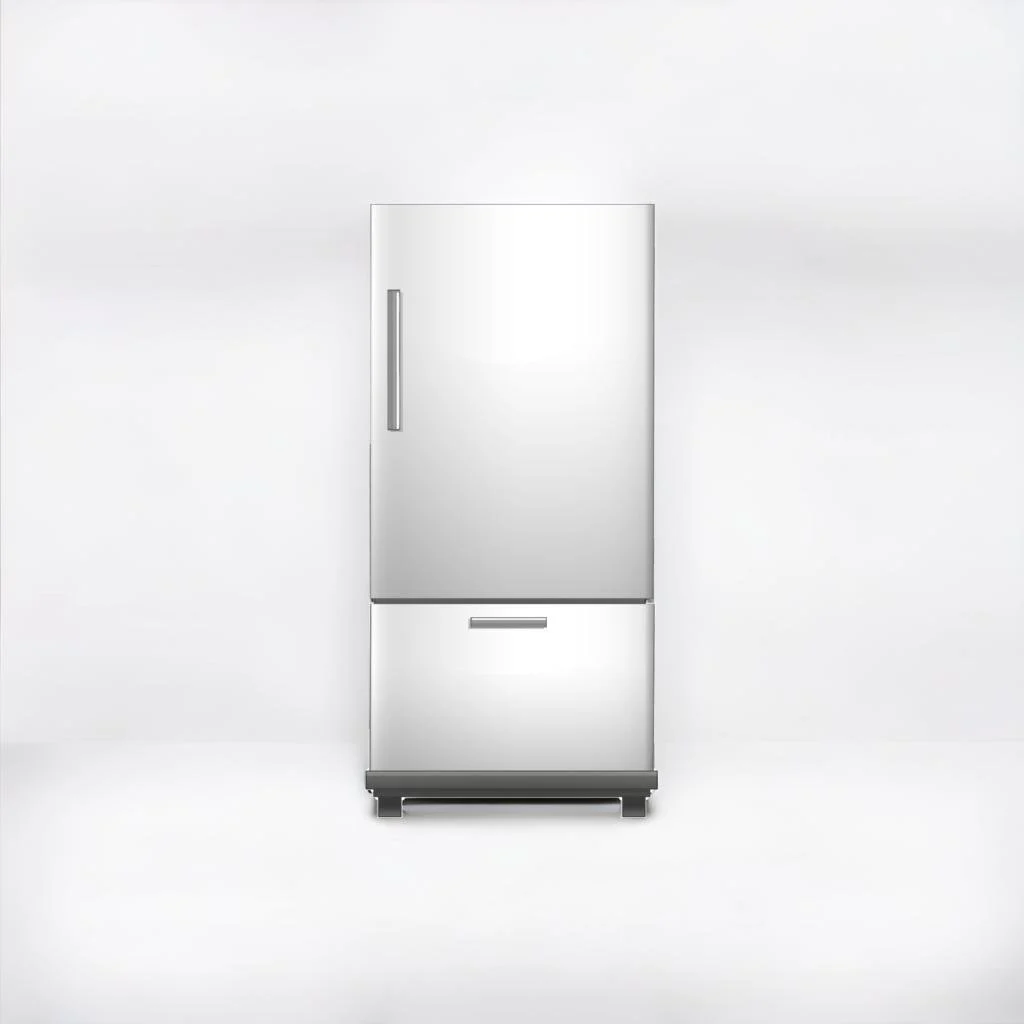
The Maytag lineup splits into a few families, and naming yours on the phone shortens the visit: Top-load washers , including Pet Pro models with a removable hair filter seated in the agitator Front-load washers Gas and electric dryers , including the commercial-grade residential dryers Maytag lists separately in its support library Dishwashers , including models that report codes through a flashing Clean light French door, side-by-side, bottom-freezer and top-freezer refrigerators Ranges, wall ovens and microwaves On a Pet Pro washer, Maytag states the filter must sit in the agitator during the cycle to capture hair, so tell us whether it was in place..
The Maytag lineup splits into a few families, and naming yours on the phone shortens the visit:
On a Pet Pro washer, Maytag states the filter must sit in the agitator during the cycle to capture hair, so tell us whether it was in place.
Water runs, yet the tub never reaches its level and the panel shows LF (long fill) or F8E1.
Maytag defines LF/F8E1 as the washer taking too long to fill, and the first cause it names is siphoning: a drain hose pushed more than 4.5 inches into the standpipe lets water escape as fast as it enters. Maytag’s installation figures are a U-shaped hose form, no more than 4.5 in (113 mm) of hose inside the pipe, a drainpipe at least 39 in (99 cm) high, and no tape sealing the opening. The second cause is supply: Maytag asks that both inlet hoses be connected with hot and cold turned on, and notes that with this code the lid locks while the washer pumps out for 8 minutes.
Hose depth and standpipe height get measured before anything is opened. Then both valves and inlet hoses are checked for flow. Only when installation and supply are confirmed does the diagnosis move to the inlet valve or pressure sensing.
Dry times run long, the cabinet feels hot on the sides, and the display shows AF. Maytag notes the dryer keeps running with the code up, and touching any key clears it, so it is easy to dismiss.
Maytag’s help page for its commercial-grade residential dryer defines AF as restricted airflow: a clogged lint screen, or a vent run that is crushed, kinked, packed with lint, or longer and more bent than the installation instructions allow. Maytag’s venting guide adds warning signs – very little lint on the screen and water pooling behind the dryer – and names bird or rodent nests as a cause. When the path is truly clear, the code can still appear: in one iFixit thread on a Maytag Bravos XL dryer whose vent was cleaned yearly, a responder suggested the exhaust thermistor.
Airflow is checked at the dryer outlet with the lint screen out, then along the duct to the exterior hood. If flow is good and AF keeps returning, the exhaust thermistor and its wiring are tested before any sensor is ordered.
The cycle ends with dirty water sitting in the bottom. On flashing-LED models, the Clean light blinks in two bursts separated by a short pause, and it keeps repeating.
Maytag explains how to read the blinks: count the first burst for the F number, wait about 1 to 2 seconds, count the second burst for the E number, and expect a roughly 5-second gap before the pattern repeats. Nine flashes, then one, is F9E1, which Maytag calls Long Drain. Its listed causes are a dirty filter, a kinked or clogged hose, a new disposer whose knockout plug was never removed, a blocked air gap, food packed in the disposer, and suds from hand dish soap.
We confirm the code by counting, pull and rinse the filter, then follow the hose to the sink: routing inside the frame, the disposer inlet, and the air gap cap. If all of that is clear, the drain pump and its connections are next.
Water collects at the bottom of the fresh food compartment, around the door hinge, or on the floor behind a side-by-side Maytag. Ice cubes may also come out smaller, or production drops.
Maytag’s own leak pages point first at the everydrop filter. A filter that is not fully seated or is cross-threaded restricts flow to the ice maker, which explains the small cubes, and Maytag lists a worn or missing O-ring, a cracked housing or head, and non-OEM filters that do not fit as common leak sources. A loose connection can also show up at the compartment bottom, the hinge area, or behind the unit where the line meets the household supply. Maytag advises replacing the filter every 6 months or when the indicator light comes on.
We pull the filter to inspect its O-ring and the head for hairline cracks or mineral buildup, reseat it hand-tight without overtightening, and flush the line. Then we trace the supply connection behind the cabinet. A cracked filter head is a part; a loose fitting is not.
Appointments are usually available same-day or next-day, depending on technician availability and your location. For same-day service we normally provide a 2–3 hour arrival window and call you about 20–30 minutes before the technician arrives.
Maytag publishes manuals and troubleshooting documents by model number through a product lookup on its help site, so the model number, not the appliance description, is the starting point for any part. Before a visit, write down the model number from the rating label and the exact code or flash count. For refrigerator leaks, note whether the filter is an everydrop cartridge or a third-party one, since Maytag lists non-OEM filters that do not fit as a leak source. With that, we can check part availability for your specific machine.
Maytag service calls are booked across nine ZIP codes: Katy – 77450, 77493, 77494; Richmond – 77406, 77407, 77469; Fulshear – 77441; Sugar Land – 77479; Rosenberg – 77471.
Near the edge of that map? Give us your ZIP and we confirm availability based on your ZIP code before scheduling. (832) 598-8646 – Monday through Saturday, 7:00 AM to 7:00 PM.
Common Maytag problems: washer not draining · dryer not heating · dryer won't start · refrigerator leaking water
Katy
Richmond
Fulshear
Sugar Land
Rosenberg
Most likely. Richmond (77406, 77407, 77469) is part of our regular area. We usually offer same-day or next-day service, depending on technician availability and your location, and for same-day visits we give a 2 to 3 hour arrival window with a call about 20 to 30 minutes ahead. Hours are Monday through Saturday, 7:00 AM to 7:00 PM. Call (832) 598-8646.
Check the drain hose first. Maytag says that if more than 4.5 inches of hose sits inside the standpipe, the washer siphons water out while filling and never reaches its level. If the hose is right, confirm both the hot and cold supplies are open, since Maytag asks that both supplies be turned on.
Count the first group of flashes, then the second group after a pause of 1 to 2 seconds. The first number is F, the second is E, and the whole pattern repeats after about 5 seconds. Nine then one means F9E1, a drain problem.
No. Pressing a key only clears the display; Maytag ties AF to a clogged lint screen or a crushed, kinked, lint-filled or overlong vent. Clean the lint screen, check the duct behind the dryer, and book a dryer visit if AF returns.
Not necessarily. Maytag lists a filter that is not fully seated or is cross-threaded, and a worn or missing O-ring, alongside a cracked housing or head. A crack in the head itself needs a part.
The model number, the code or flash count, and the product family: top-load or front-load, Pet Pro, side-by-side or French door.